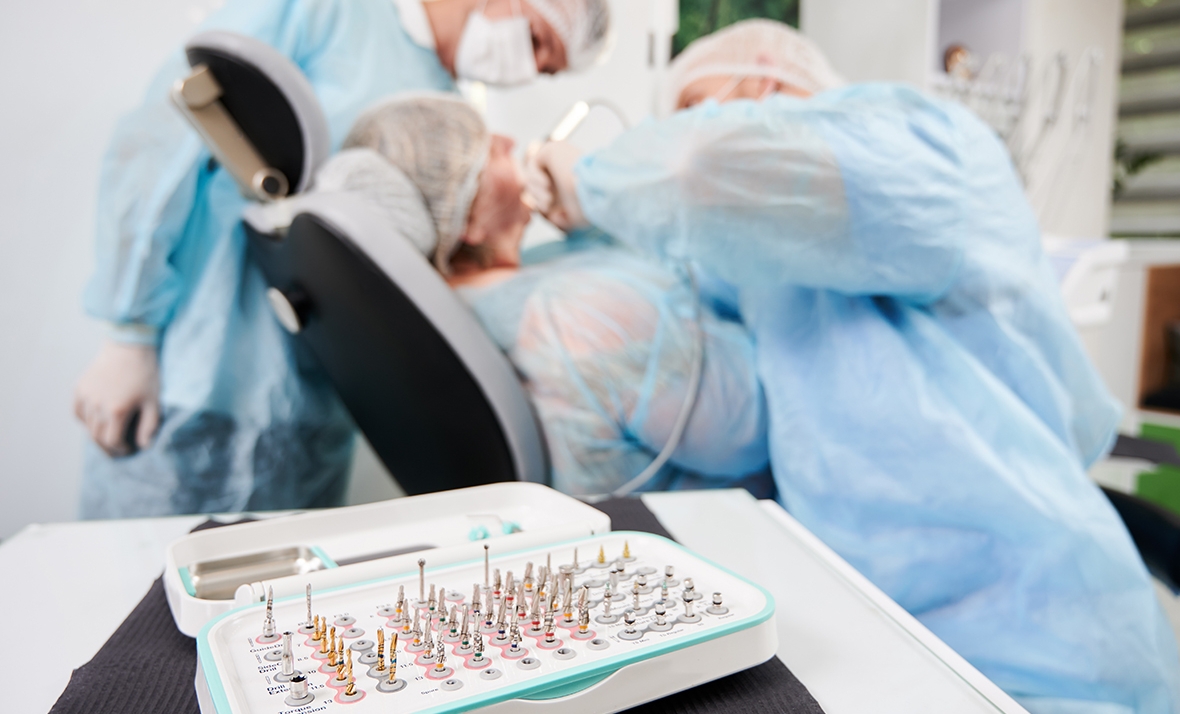
Implants
Implants—such as pacemakers, joint replacements, stents, and dental implants—are among the most sensitive medical products because they remain inside the patient’s body, often for life. Their safety, authenticity, and quality directly determine treatment success and long-term patient wellbeing. Any issue whether a defective batch, counterfeit device, or missed recall—can have severe, life-threatening consequences.
The risks without proper traceability are significant: inability to link a device to its manufacturer in case of defects, challenges in tracking adverse events, counterfeit or uncertified implants entering the market, and difficulties in monitoring product lifespan for replacement or maintenance. For patients, doctors, and regulators alike, these risks demand absolute transparency.

What Traceability Delivers to Implants?
A robust traceability system ensures every implant is uniquely identifiable and traceable throughout its lifecycle—from manufacturing to implantation and, if necessary, removal or replacement. Key data captured includes:
Manufacturer and device identifiers (UDI – Unique Device Identification)
Batch or serial number
Production and expiration date
Sterilization and storage conditions
Implantation record linked to the specific patient
Post-market surveillance and adverse event tracking