OTC
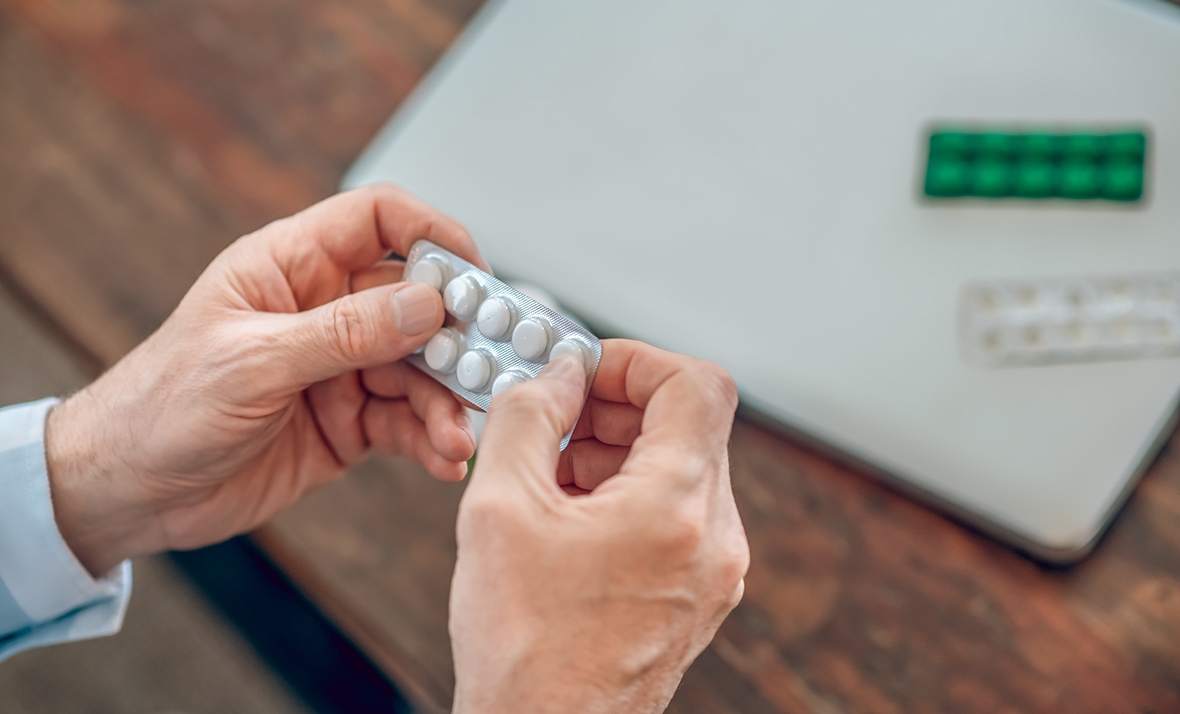
In the OTC world, trust is everything. Consumers rely on everyday health products—pain relievers, vitamins, supplements, allergy medications, and more—without direct supervision from a healthcare professional. That means a single issue in quality, authenticity, or availability can directly affect consumer health and brand credibility.

Unlike prescription medicines, OTC products move faster and through broader, more complex channels—pharmacies, supermarkets, online platforms, and even convenience stores. Without clear visibility into their origin, handling, and movement, risks emerge counterfeit products, expired stock remaining on shelves, improper storage, and difficulties in recalling unsafe batches. These issues not only endanger consumer safety but also erode market confidence and loyalty.

OTC
What Traceability Delivers to OTC?
A robust traceability system enables each OTC product—whether a bottle of vitamins or a pack of cold medicine—to be tracked from production and packaging through wholesale, retail, and ultimately, to the consumer. It captures key data such as:
Production source
Batch or serial number
Manufacturing and expiration date
Storage and distribution conditions
This end-to-end transparency ensures regulatory compliance, strengthens consumer trust, and improves overall market efficiency. According to GS1 standards, implementing traceability in the OTC sector enables:
Consumer Safety & Trust
Authentic, safe OTC products reach the right shelves, reducing risks of counterfeits and expired goods.
Smarter Inventory Management
Real-time visibility minimizes overstocking and prevents shortages of high-demand products.
Efficient Recalls
If a batch issue arises, traceability allows rapid, targeted withdrawals without disrupting the entire market.
Regulatory Compliance
Helps manufacturers and retailers align with evolving global regulations around product safety and transparency.
Supply Chain Integrity
Traceability ensures consistent quality from factory to pharmacy, online retailer, or supermarket.